A production system built for the realities of the factory floor
Client
Uddeholm
My role
Research and UX/UI work, translating operational needs into a digital solution
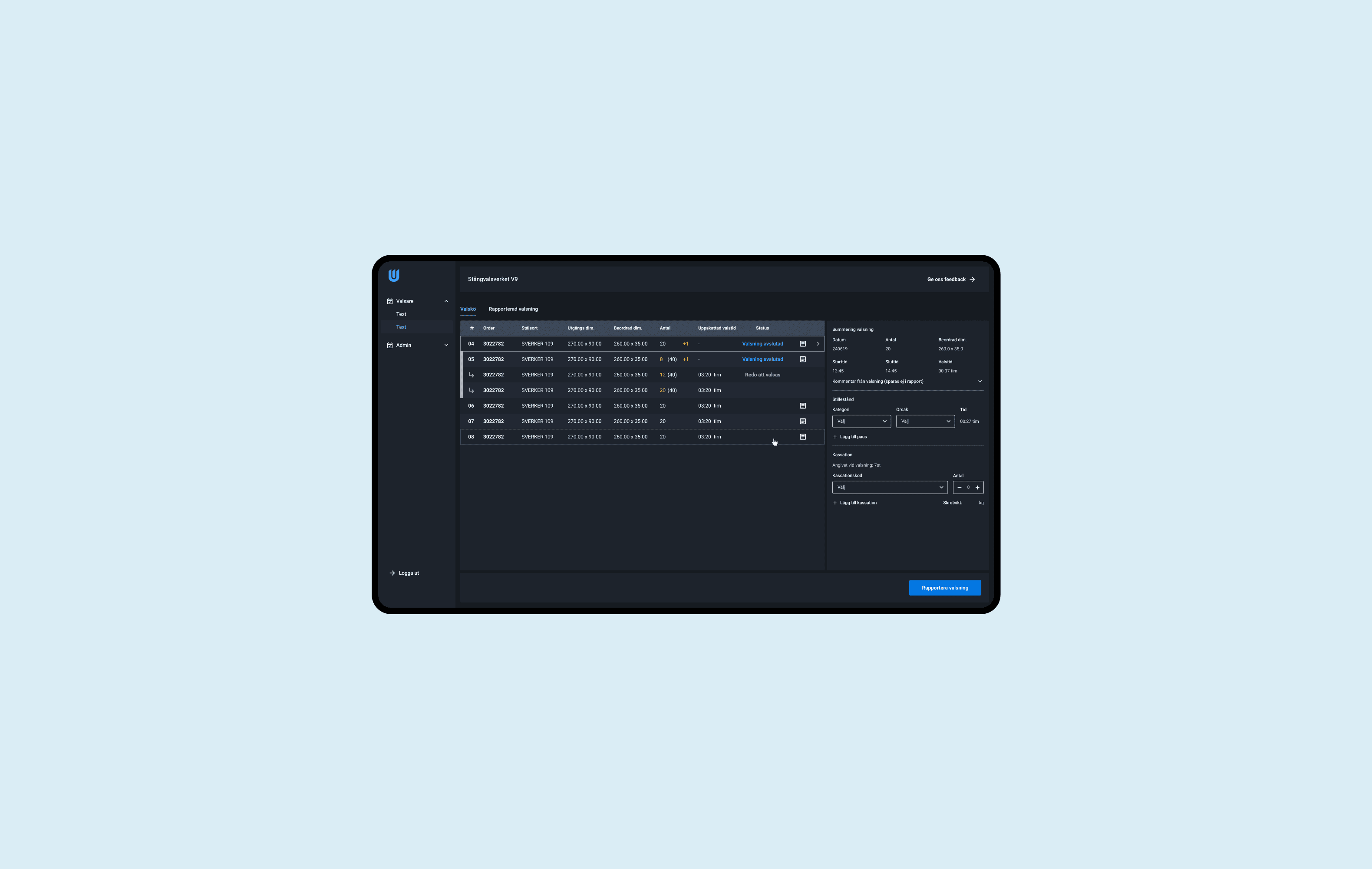
A new production system was developed to bridge fragmented workflows and digitise manual routines.
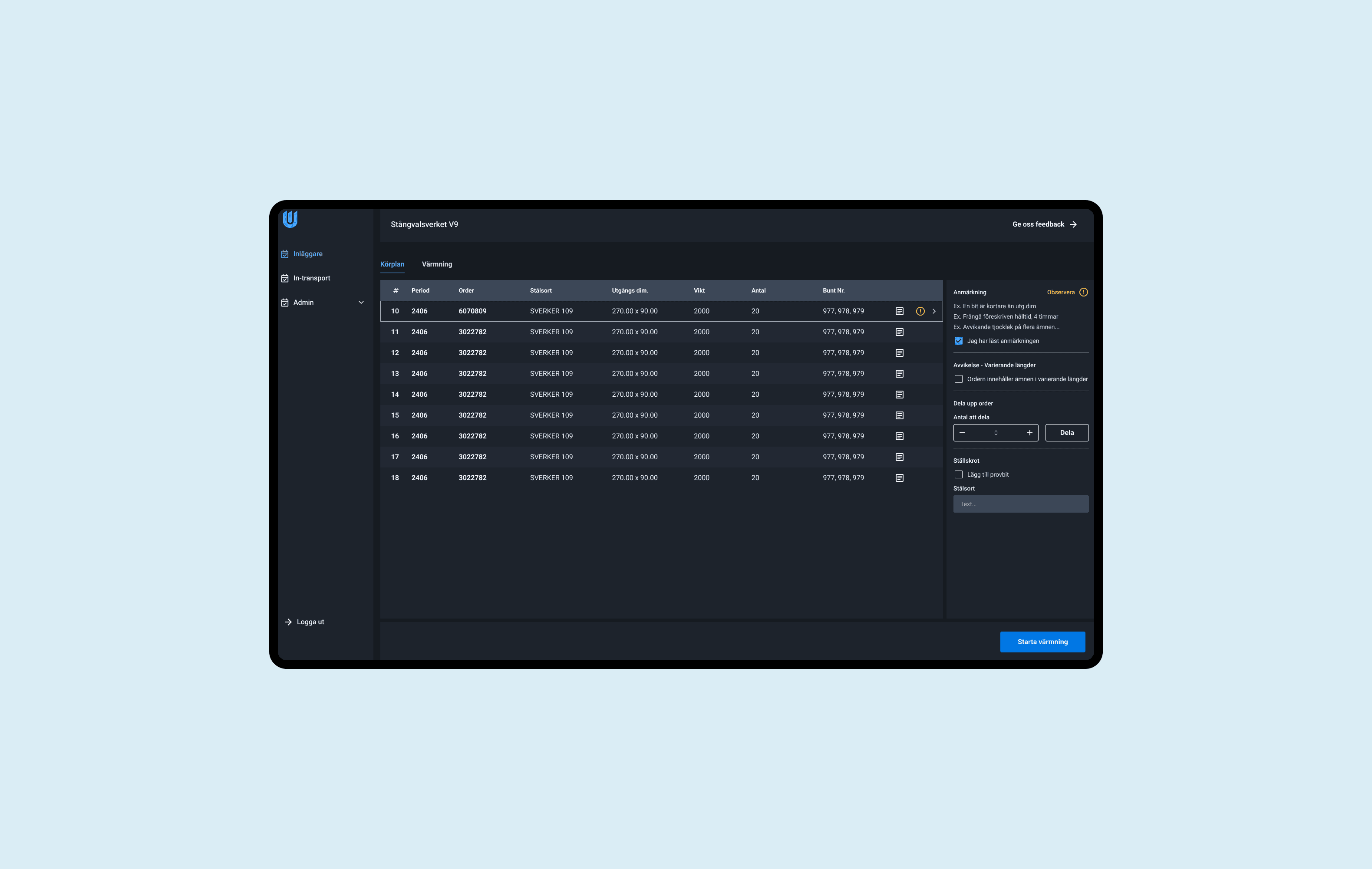
Together with a cross-functional team, I designed a tailored Manufacturing Execution System for Uddeholm’s rolling mills, focused on improving traceability, increasing production efficiency, and making the system easier to learn
Challenge
The system needed to support specialist roles without becoming complex to use — balancing depth, clarity, and long-term scalability.
My role
I translated operational complexity into clear workflows and intuitive interfaces, aligning user needs, system logic, and production context into one coherent solution.
Impact
The result was a unified and efficient system that reduced manual work, improved usability, and established a strong foundation for future digitalisation initiatives.

Solving the right problem
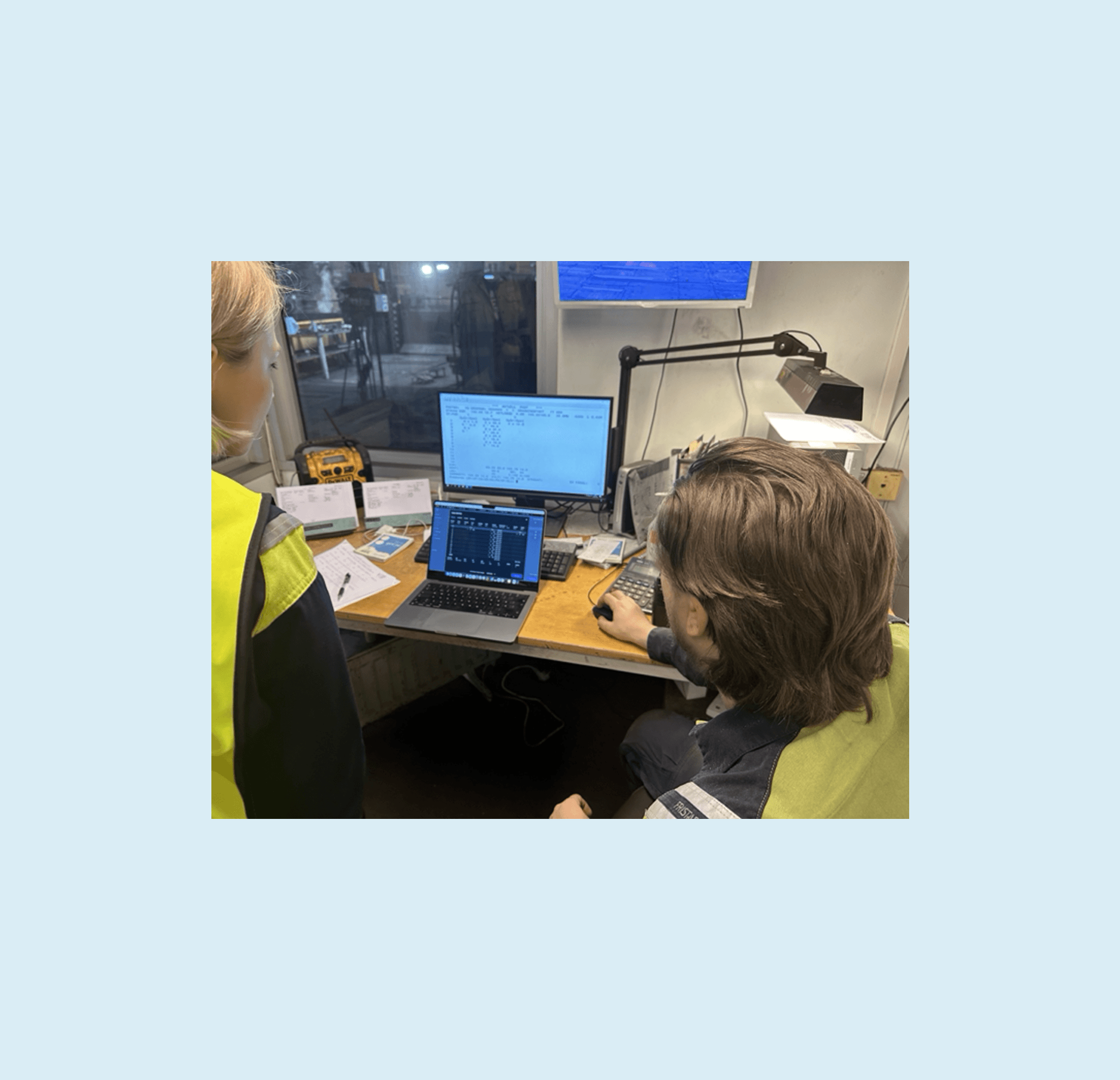
Designing for industrial environments meant understanding how digital interaction affects safety, efficiency, and production quality. Through site visits, stakeholder dialogue, and field research, we identified the critical gaps shaping the design direction.
Key challenges
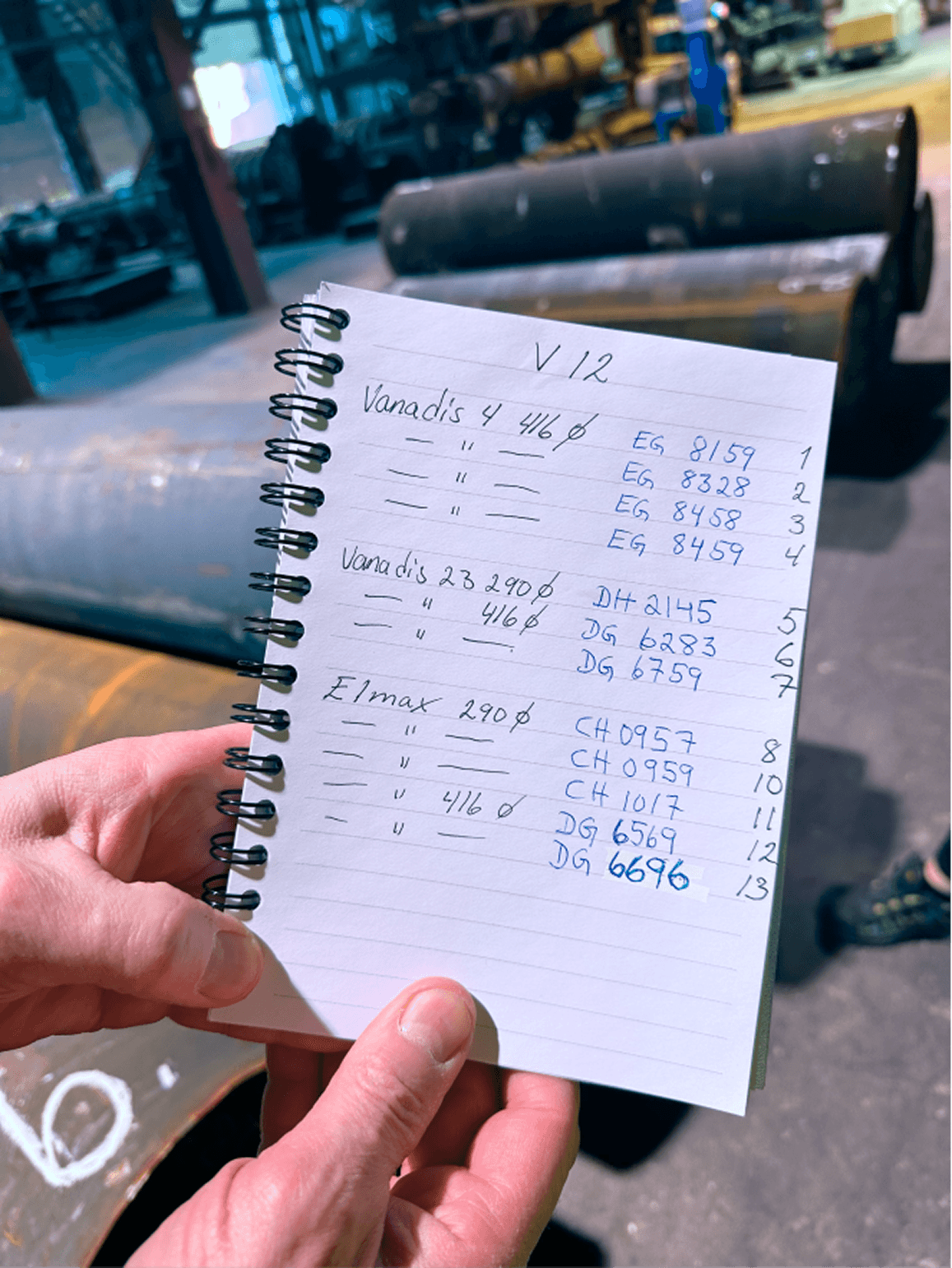
Manual planning created fragmented workflows
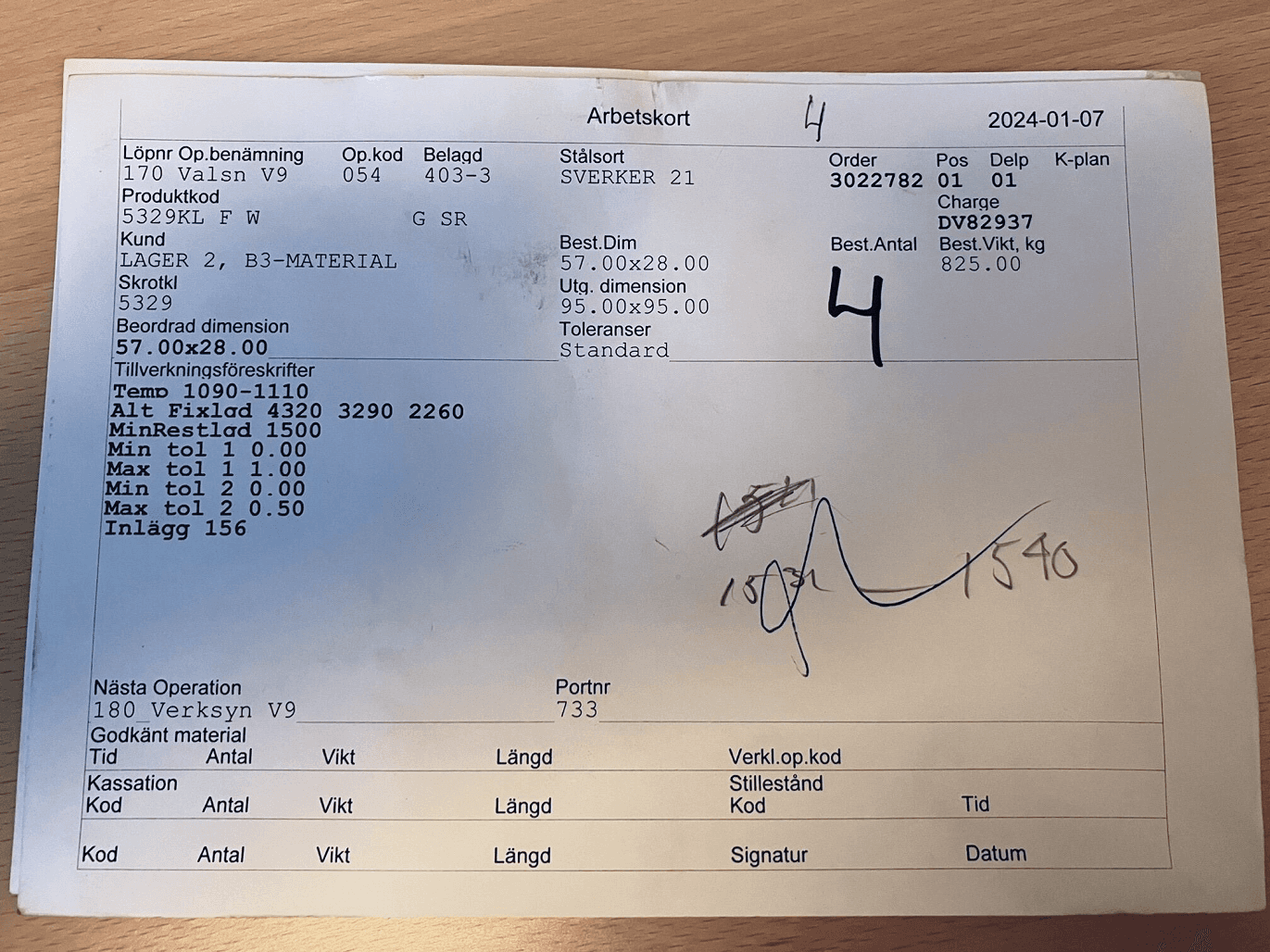
Limited digital access caused operational gaps
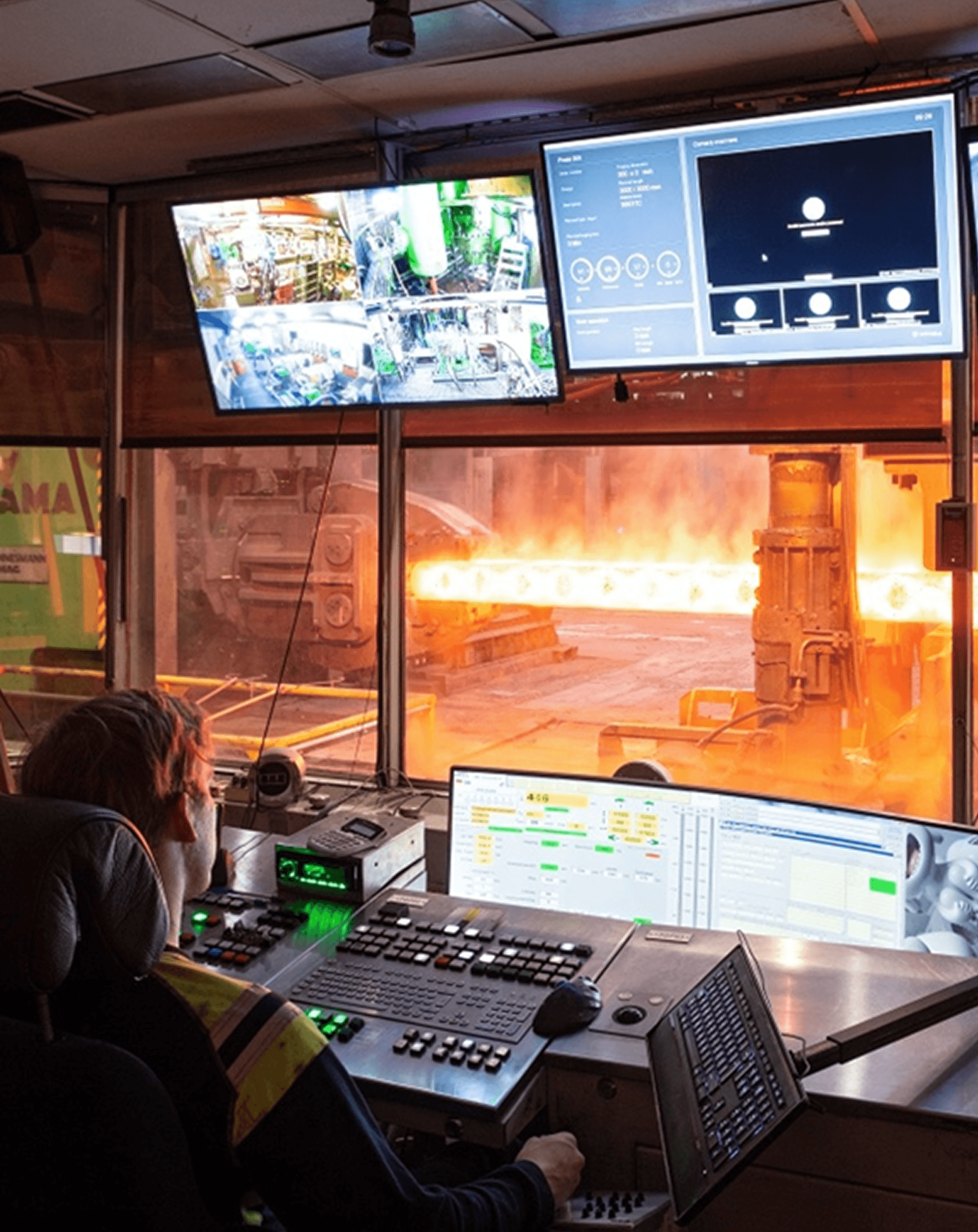
Interfaces were not adapted to the physical environment
Unifying workflows for operational efficiency
We brought fragmented systems, manual routines, and operator needs into one coherent workflow. By aligning tasks, roles, and system interactions, the solution improved clarity, reduced friction, and supported more efficient day-to-day operations.


Project delivery
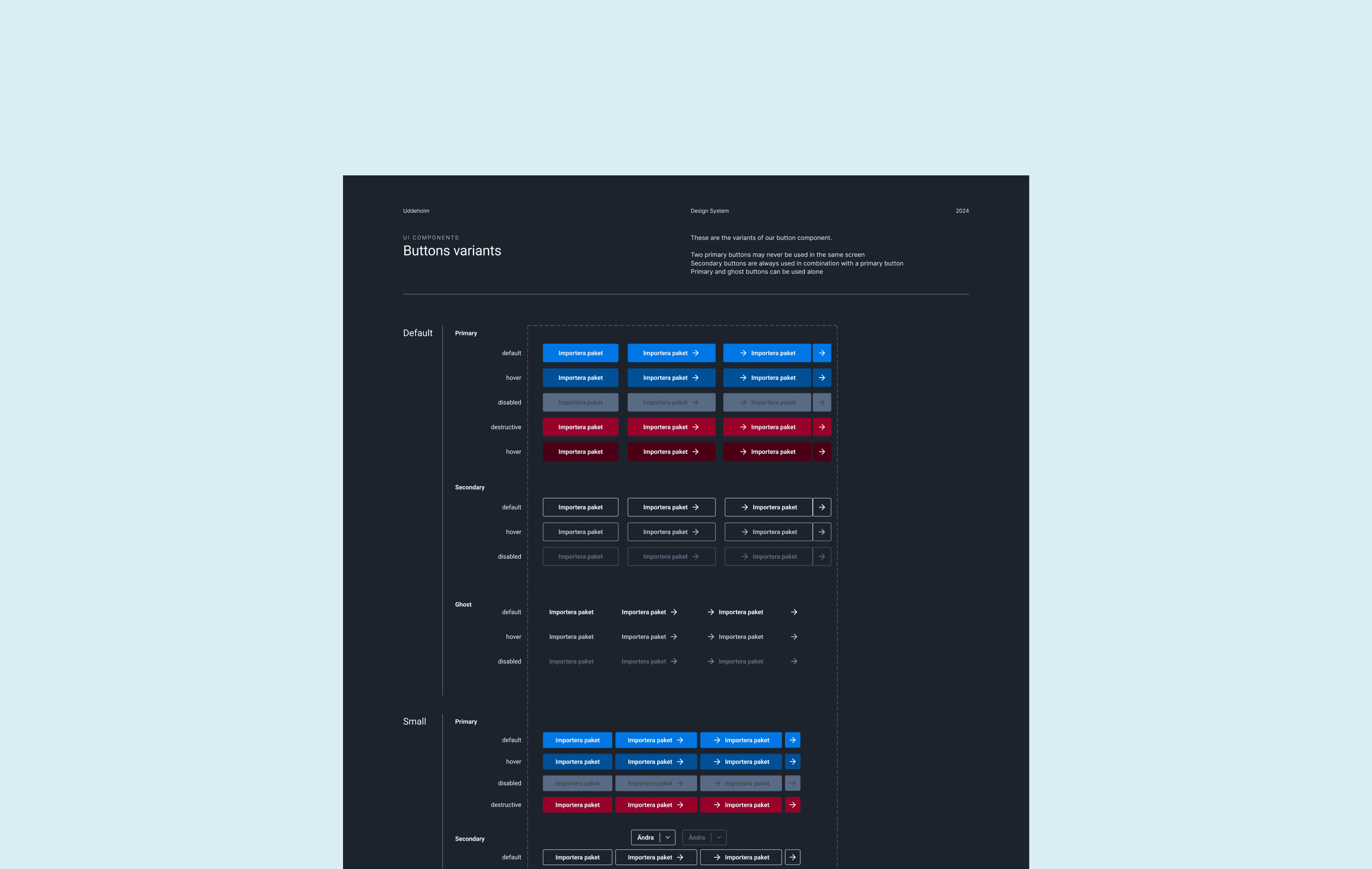
• Streamlined workflows by multiple systems being integrated into one, improving overall efficiency • Digitalised manual tasks, reducing risk of errors • Delivered design consistency and a Design System for future updates and implementations The project balanced complex operational needs, technical constraints, and multiple stakeholder perspectives — resulting in a solution grounded in real-world use and implemented in production 2024.